[Project] Mech
“Love is a 100-ton mech.”
[Project] Mech
- COMPANY:
Yours truly! - PUBLISHER:
Yours truly! - ROLE:
Creator
Developer - GENRE:
Tabletop wargame
My Contributions:
- Created the entire game from the ground up, from concept to implementation.
- Created the rules, game art, card design, and rulebook for the game.
- Developed a prototype for the game in Tabletop Simulator to share the project worldwide and make testing easier.
- Led very small groups of testers to polish game mechanics, card balancing and card readabilty.
Overview
[Project] Mech was what I consider my very first solo dev game, started soon after I finished my studies at Event Horizon School.
Being raised in a game shop (my parents owned one), I was surrounded by tabletop wargames like Warhammer, Helldorado, Flames of war, and above else, my beloved Warmachine.
My love for that game was so strong back in the day that I developed a couple of custom game modes for me and my friends to enjoy, and [Project] Mech was the natural outcome of such passion for the game.
I love giant mechs, I love the idea of being able to customize their arsenal to my liking, and I love “simple” wargames. While Warhammer is a cornerstone for the genre, I found the more streamlined and simple rules of Warmachine more engaging, letting you focus on the moment-to-moment gameplay.
[Project] Mech was trying to mix the great variety of strategies that you usually find in wargames with customizable units and fast, dynamic turns.
Players would be able to react to the oppent’s turn by managing their units and their resources, with the goal of creating interesting risk-reward situations.
Balancing was the main issue with the game, but I feel that the overall result is quite satisfying and makes for an interesting formula!
And boy, sure I did have fun making it.
What makes a good Mech (Game)?
Mech games are a delicate question: you need to fulfill different fantasies, ranging from extreme technical desires to pure, raw power fantasy. Make a game that is too much tech-focused and many players will feel overwhelmed by the complexity of all the choices you give them access to. Make a game too much focused on the power fantasy and you will lose the appeal of managing complex war machines.
Like many things in life, truth is found in balance.
[Project] Mech focuses its gameplay on small skirmishes, giving players the task of creating small fire groups of mechs that suit their playstyle.
Other than that, the creation of a mech is kept simple, in an effort to keep the process fun and engaging.
That is where the power fantasy lies.
Players must feel excited to test out their own, personal war machines, regardless of the rules of the game.
The moment-to-moment gameplay is what I would consider easy to learn, hard to master.
Limited resources and the ability to play during the opponent’s turn transform static skirmishes into intense firefights, exploiting the terrain to your advantage.
Hiding between buildings can be countered by demolishing them; hit and run tactics can be answered with full aggression. Ammo and health management enforce the need to create tactics that keep in mind not only the damage you can inflict on your opponent’s forces, but also the cost of doing so.
If you ask me, [Project] Mech is more sided towards the power fantasy spectrum rather than the technical one (being that I’m not a big fan of numbers-heavy games), but I still believe that it could scratch the itch for players who want to maximize their fun during the creation of a mech.
Still, we are talking about a prototype, a functional one that is, but still a prototype.
The potential is there, and striving to achieve fun in and out of the table is all that I wanted to achieve!
If you want, you can check the rulebook for the game here!
Build-a-Mech
So, how do you build a Mech in this game? It’s quite simple, really! You start by picking a chassis, which comes in 3 specific classes:
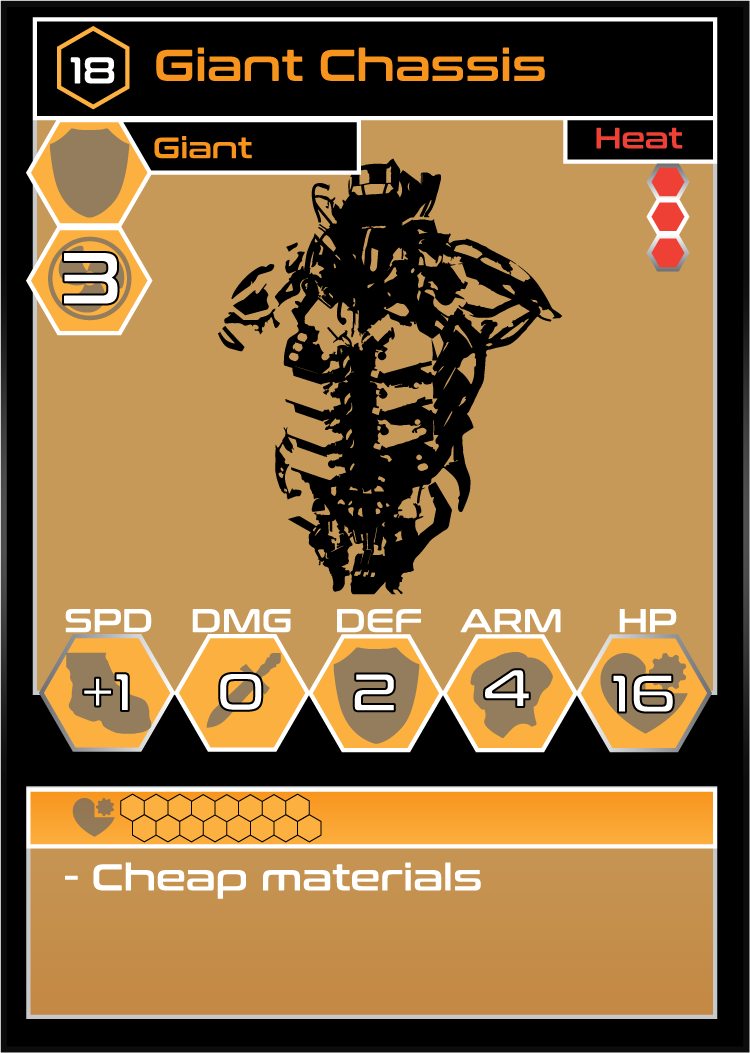
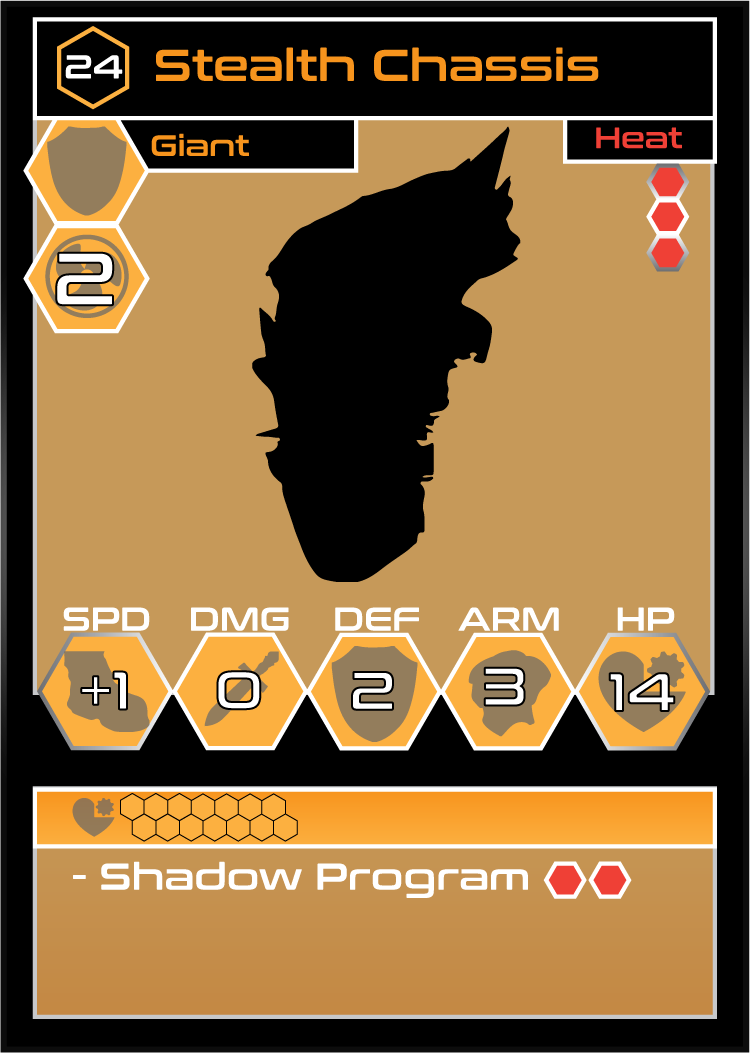
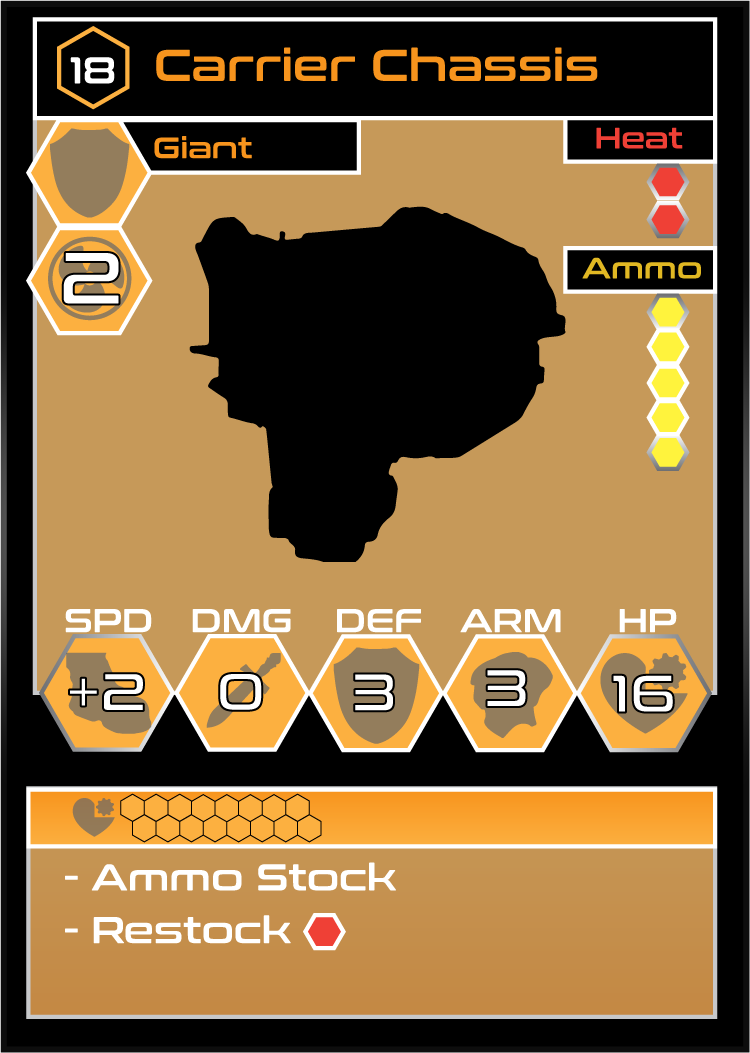
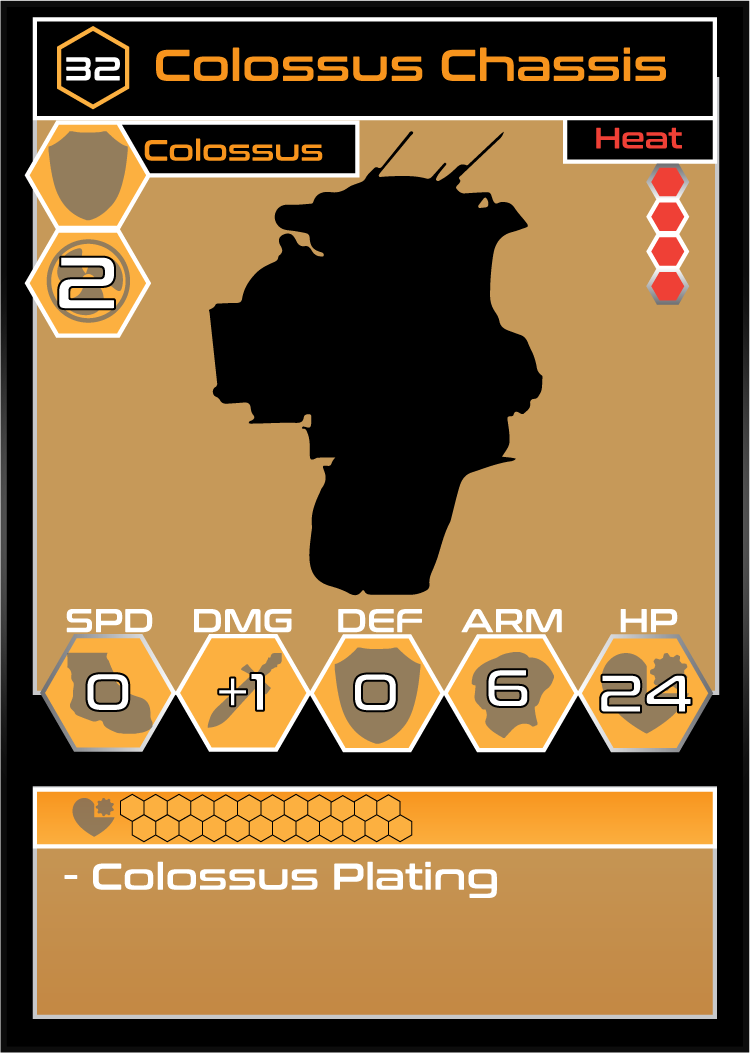
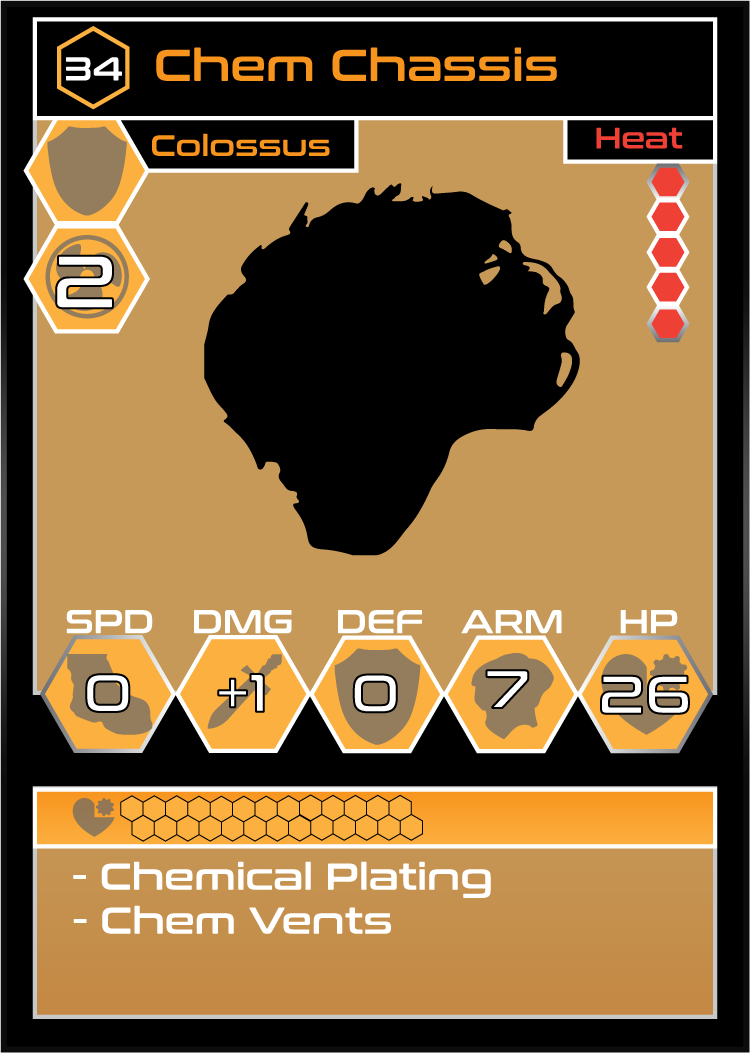
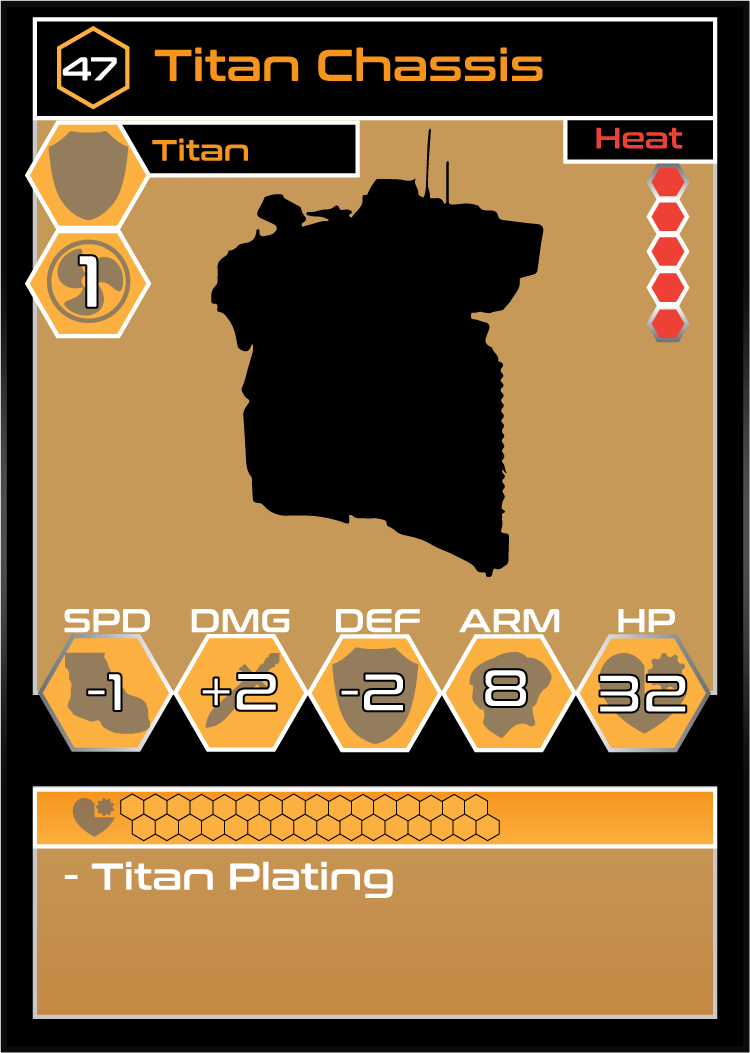
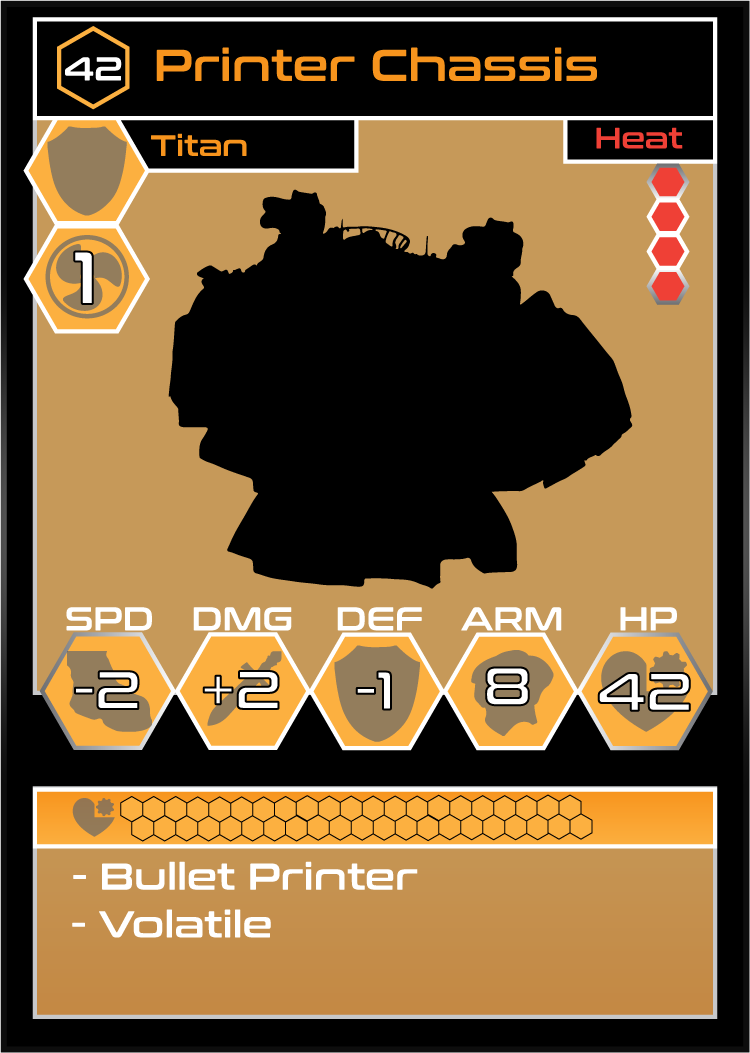
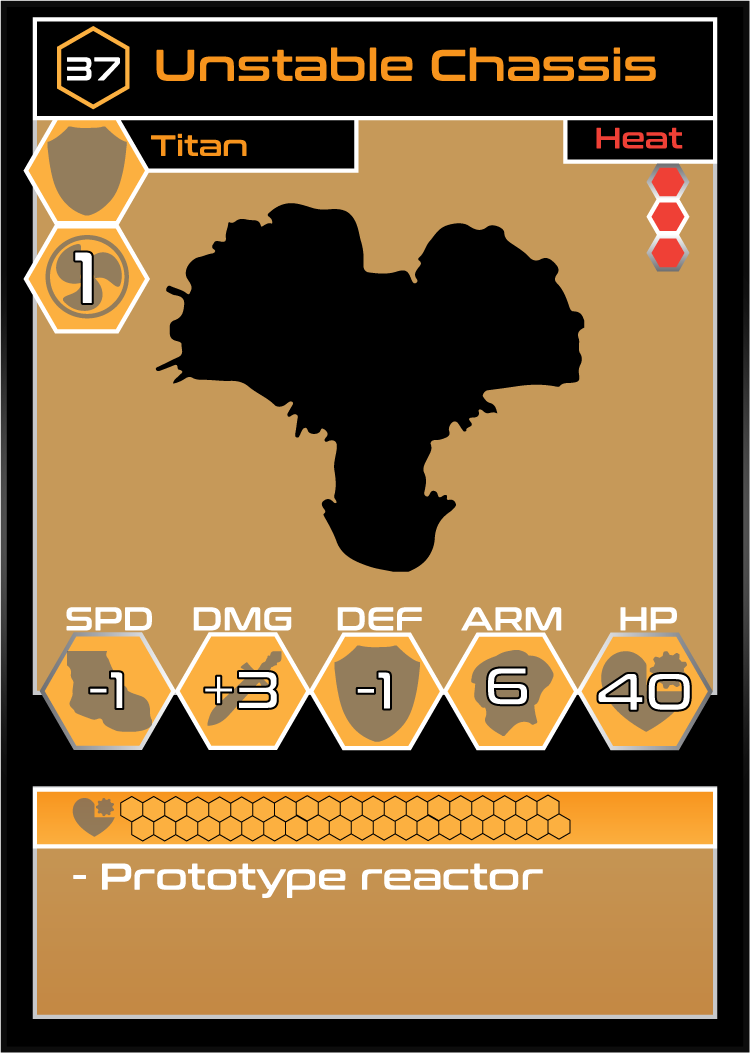
These represent the starting point for every mech you create. I love toying around with the idea of size differences and how they affect gameplay (My obsession began years and years ago with this particular little videogame) and I felt that applying that to a giant mech game was, well, effective.
While smaller chassis resulted in less firepower and more fragile mechs, they compensate with being dirt cheap, opening up the swarm tactic.
Larger chassis are quite the opposite, one Mech alone could potentially obliterate the battlefield, but, brought down, you would be pretty much defensless.
Once you have decided what size your mech will be, the next step is (To me) the most fun one: equipping it!
Possible parts for a mech are:
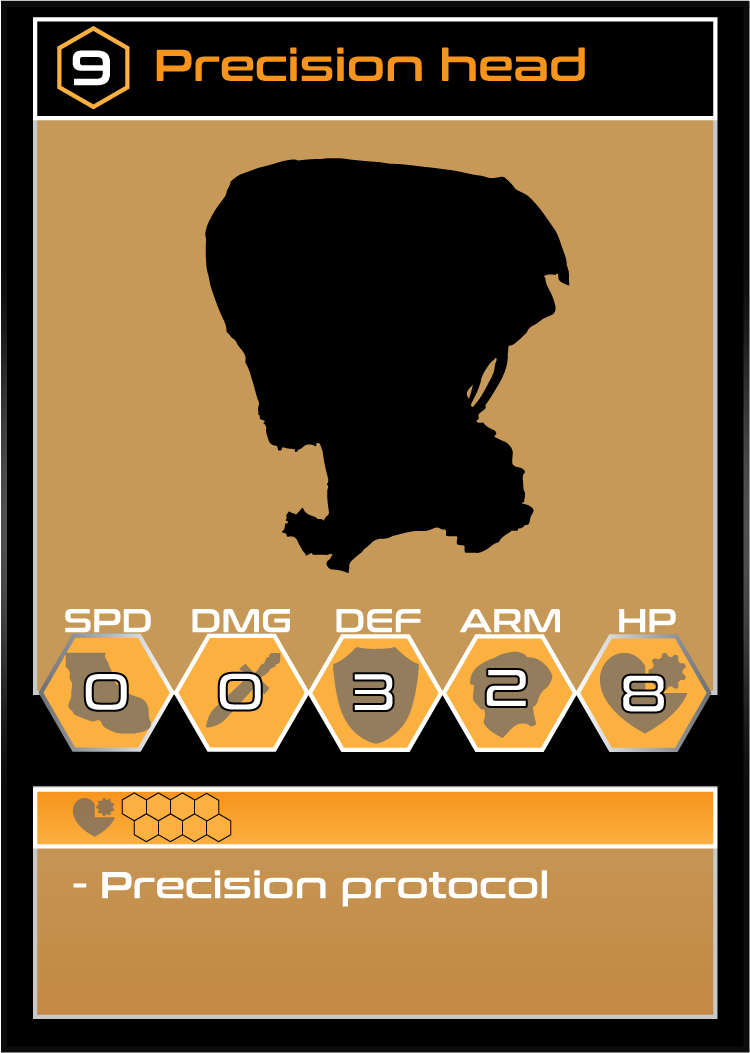
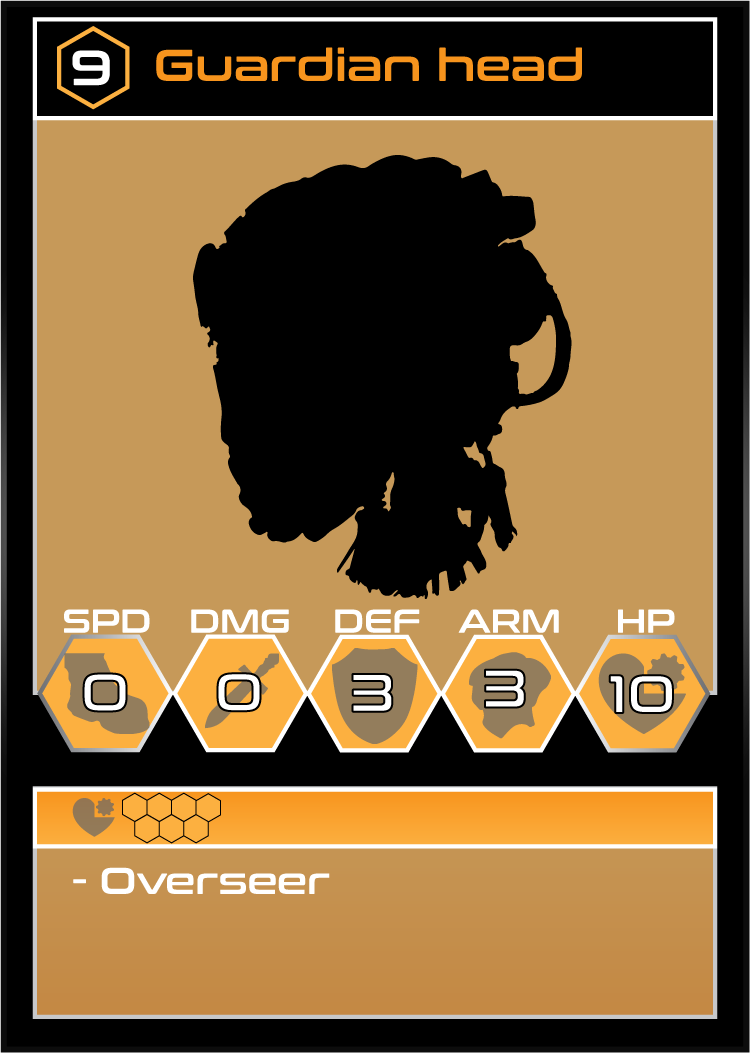
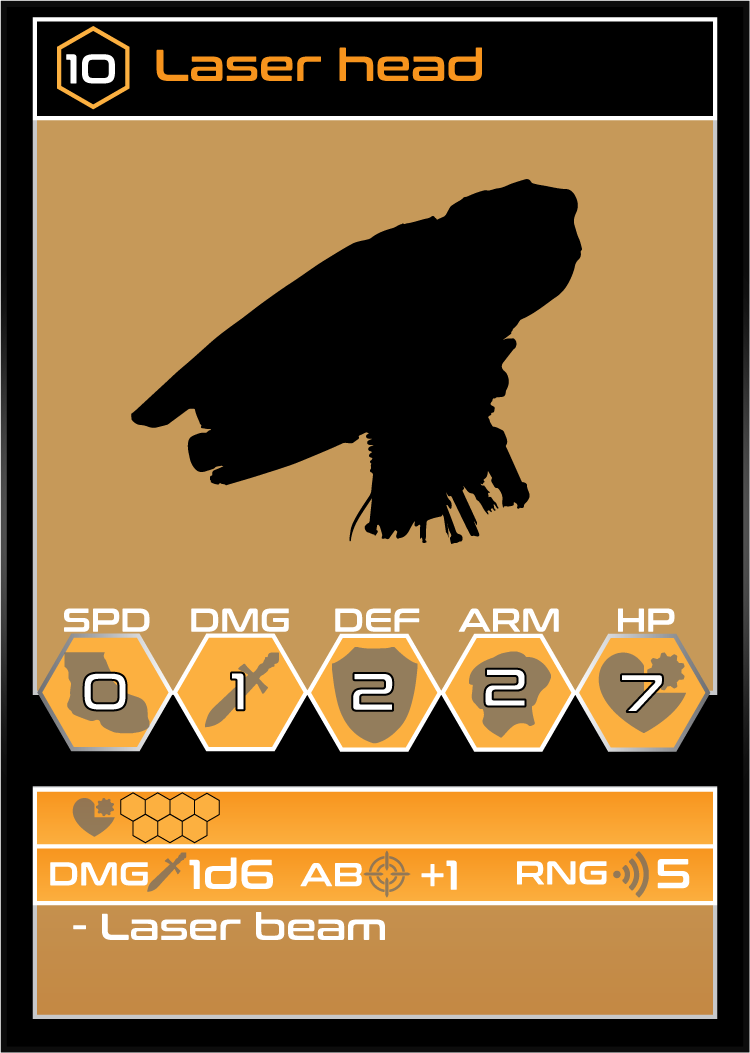
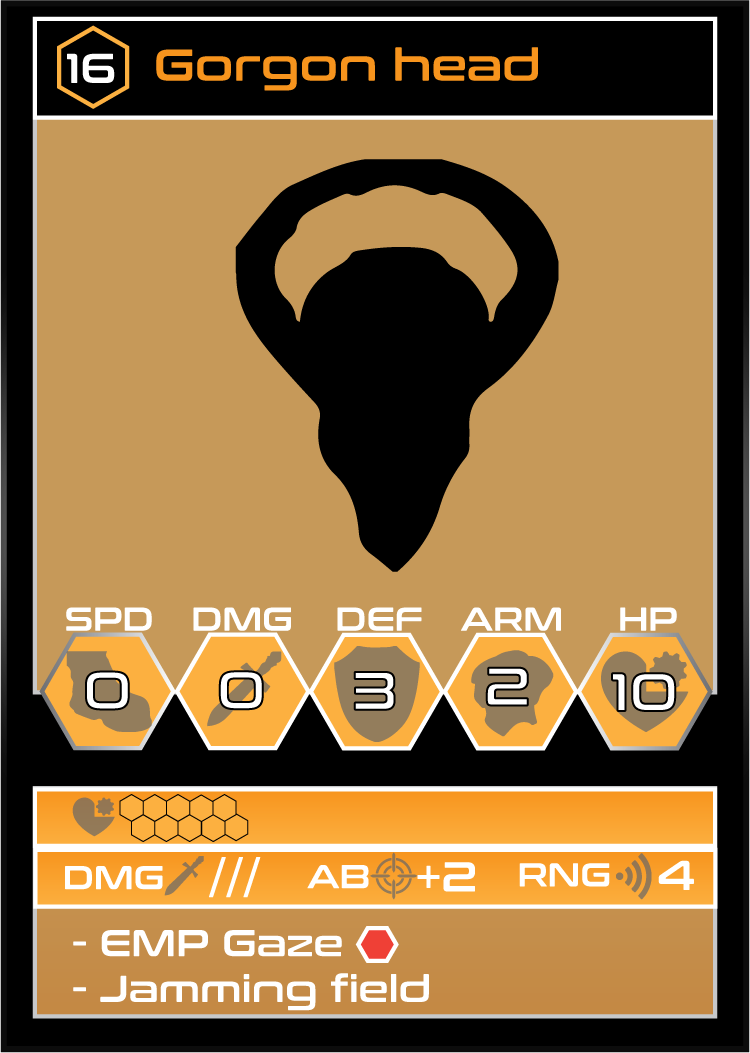
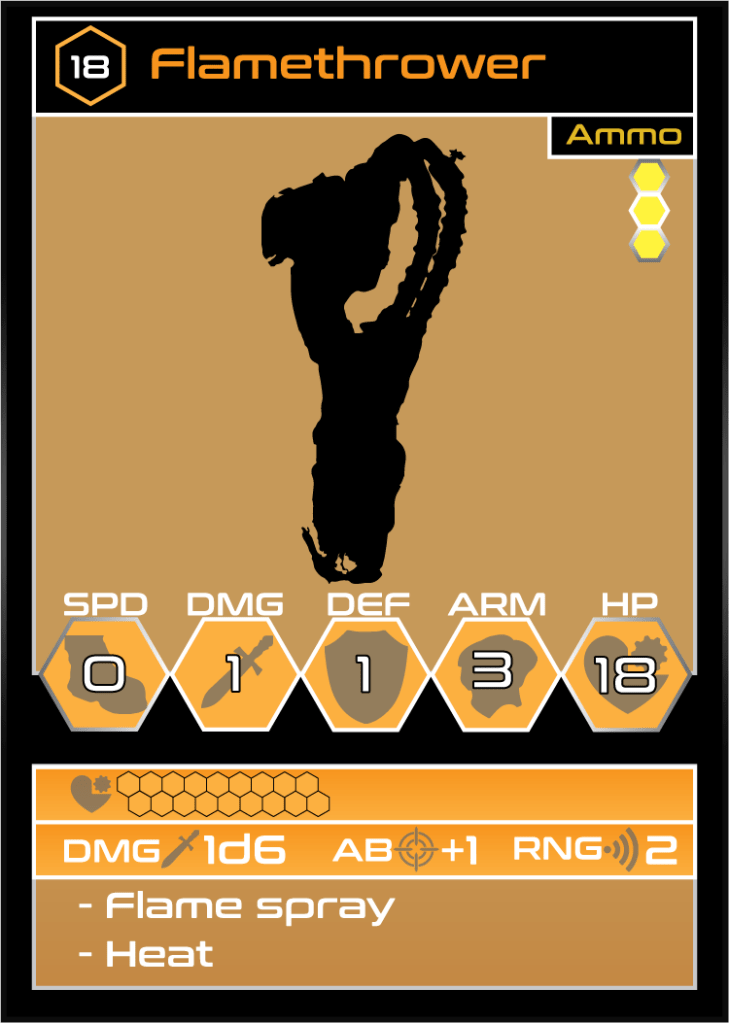
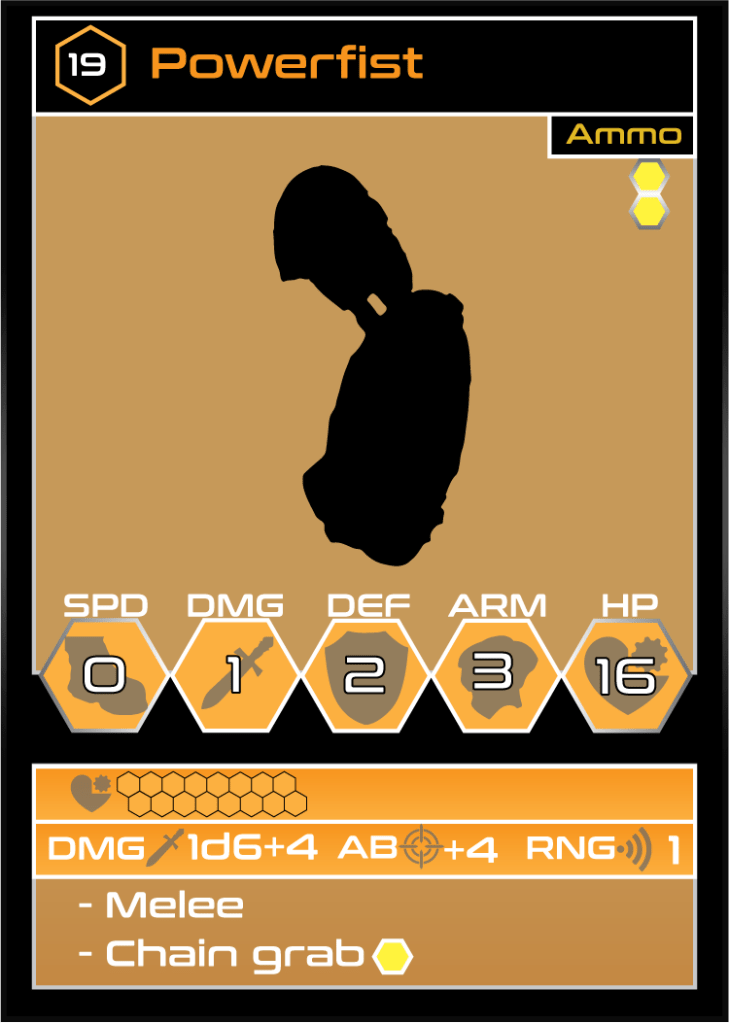
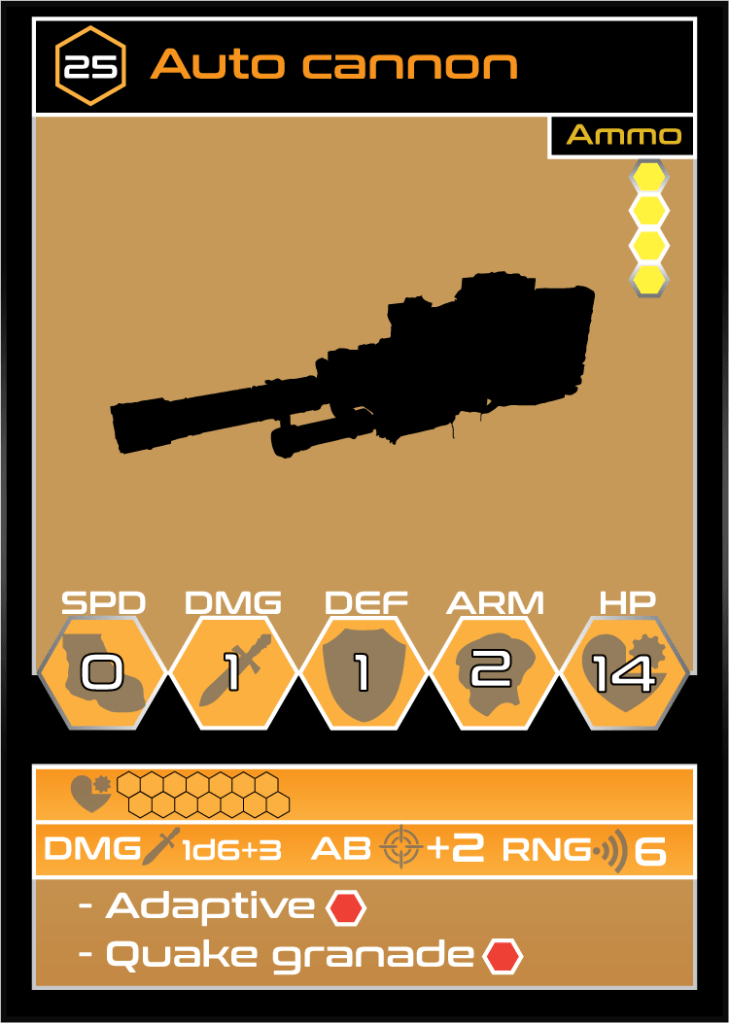
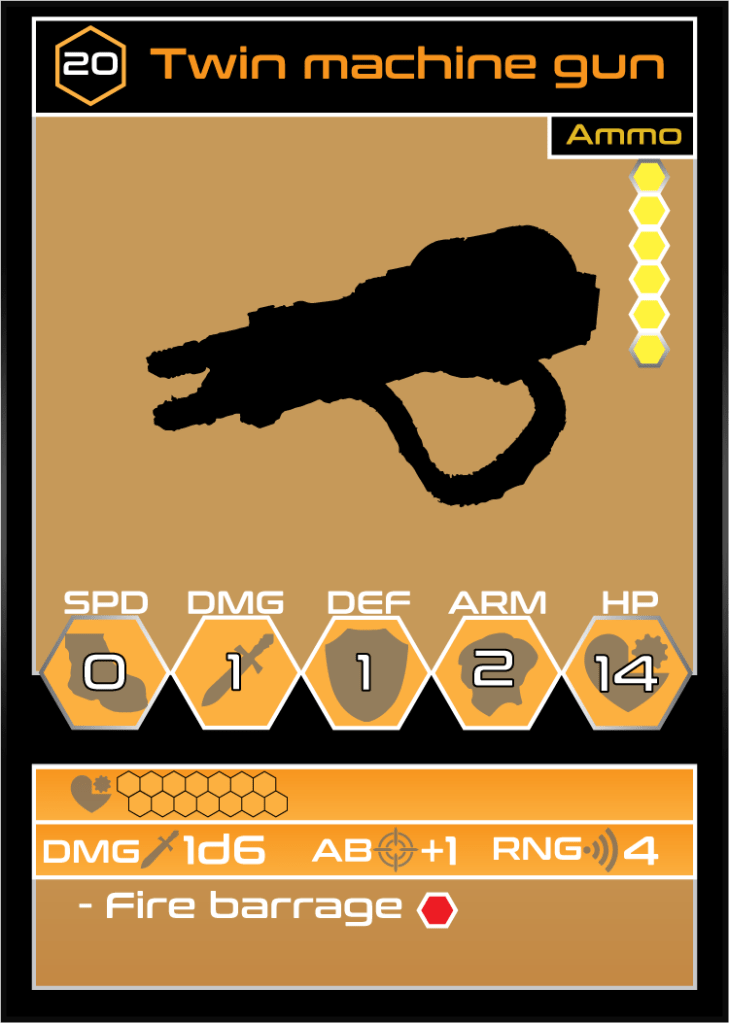


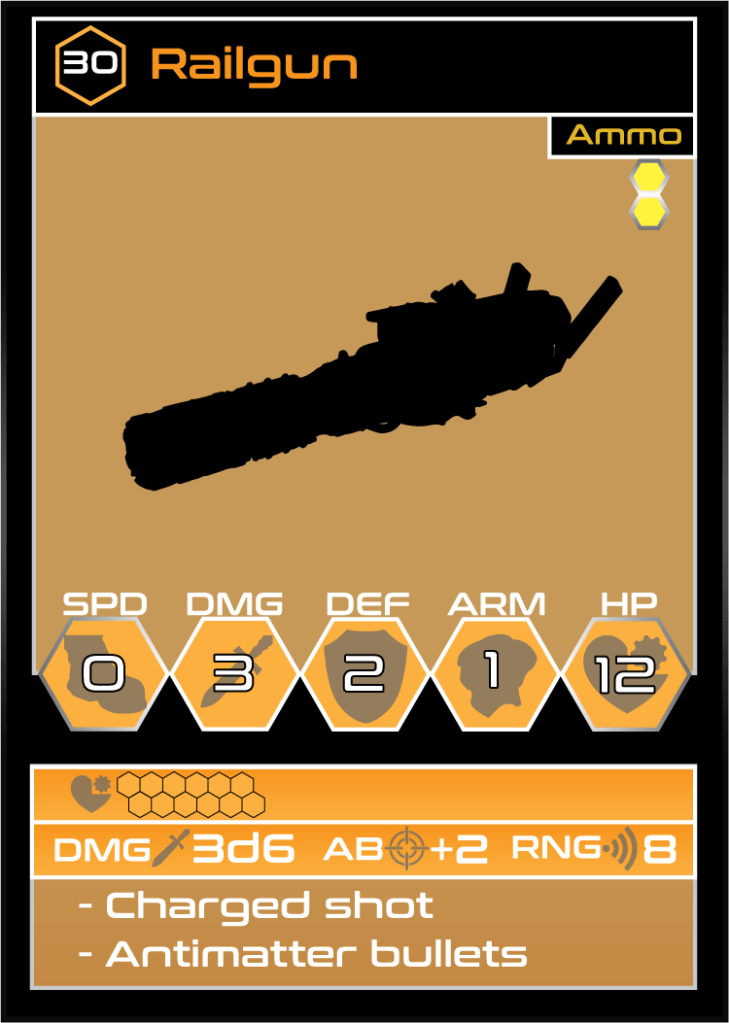
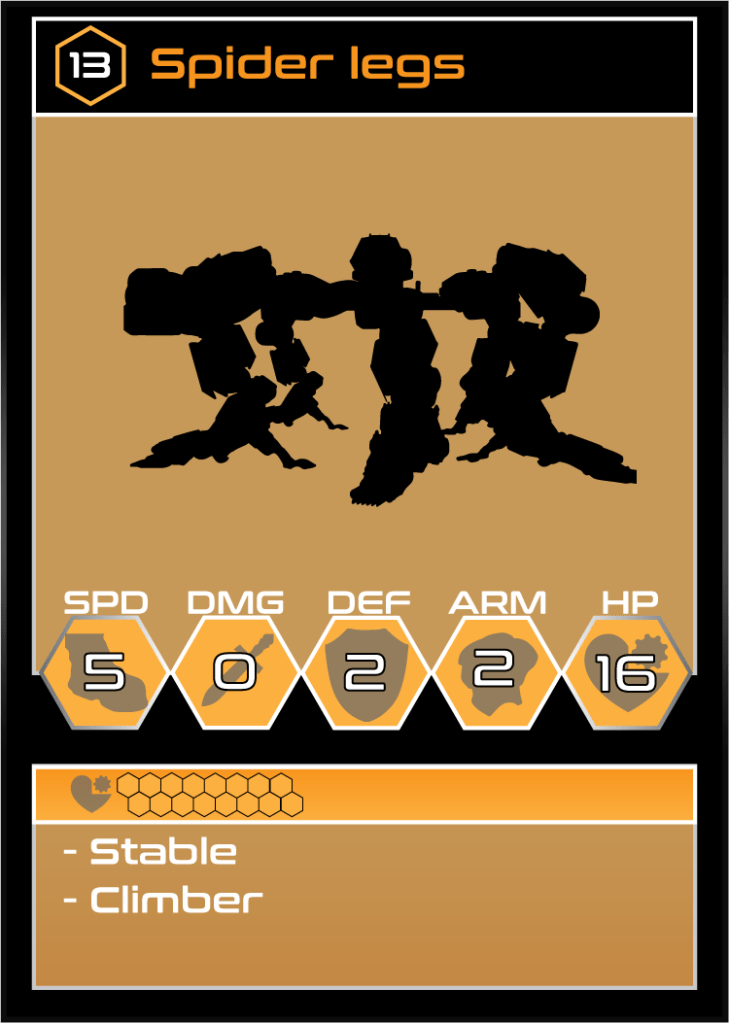

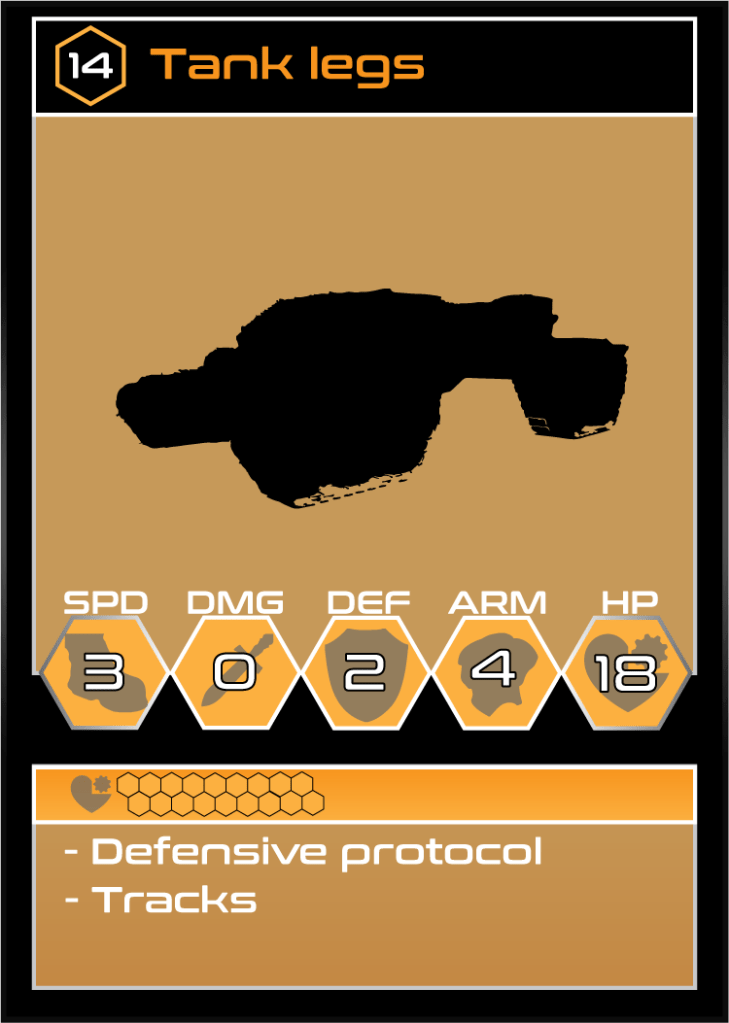
And after that, your own, personal mech is completed! Repeat until you run out of money, and you’ll have your own personal mech armada.
I had some ideas for using spare money during the game, since many wargames tend to simply toss them away, but I never had the time to further develop the idea.
It is surely something interesting and I belive it can work with the overall fantasy of the game of being a super rich corporation fighting for strategic points across the globe.
Balancing Vs Customization
Balancing is tricky.
Balanced things are, usually, less fun than unbalanced one.
When something is terribly unbalanced though, it ruins the fun both for the person using the broken thing and the one on the reciving end.
Competitive games usually strive for keeping everthing under controll, and there are many school of tougths on how to balance games.
The philosphy that resonates more with me has always been “Never nerf, only buff”.
If something is so powerful that every other options is deemed worthless, than it’s our job to alter the percived worth of something.
As stated before, [Project] Mech is born as a game to let you experience the power fantasy of creating and controlling giant mechs, and not as a competitive heavy game.
This does not mean that we toss balancing out of the window, it means we strive to make every component viable and fun to use.

Tables and similar tools are usefull to help you shape the experience that you want to grant to the players, but I belive that the experience is what is to be kept in mind at any given time, even when balancing.
Customization of mechs and power fantasy are key to the game, so balancing can be set to the background, as long as players are having fun with their metallic creations!
The Tabletop Simulator experience
So making a tabletop game is hard, who would have guessed?
It’s even harder to place it in the hands of players and have them play it, especially when you can’t possibly create the physical assets needed to experience a game such as this.
Fortunately, we live in the digital era, and Tabletop Simulator exists!

The TTS experience was short but very interesting.
It showed me the potential of the tool, not only for letting people all around the globe play the game, but also for giving the ability to players with limited space (and money) to play complex tabletop games and wargames.
My coding skills were limited at the time, so I basically just put all of the assets in digital form, added a nice board to play on and some small quality of life improvements that a digital copy can provide easily.
Conclusions
So, this was [Project] Mech! And some of my considerations around it and its development.
To sum it all up:
- Making boardgames poses interesting challenges, that can be overcome with modern solutions (Digitizing your game can be achieved easily and basically nullify the cost of assets, making your game easy to share, hence playtested, which is vital!)
- Balancing is a tricky subject that can be tackled by prioritizing what the core of your game is about.
- Mech games must please two aspects of creating a mech: Aesthetic desires (“I want a mech with spider legs, bright yellow paint and a nuclear sniper rifle!”) and mechanical ones (“I want a mech that can travel along many terrains and have strong, long ranged attacks).
- Listen to your players feedback no matter what, and then filter it out with your design knowledge. If you think about it, before you drink muddy water, you need to filter it and boil it. It’s the same thing, really!
 theJameskrik